
Your Cart
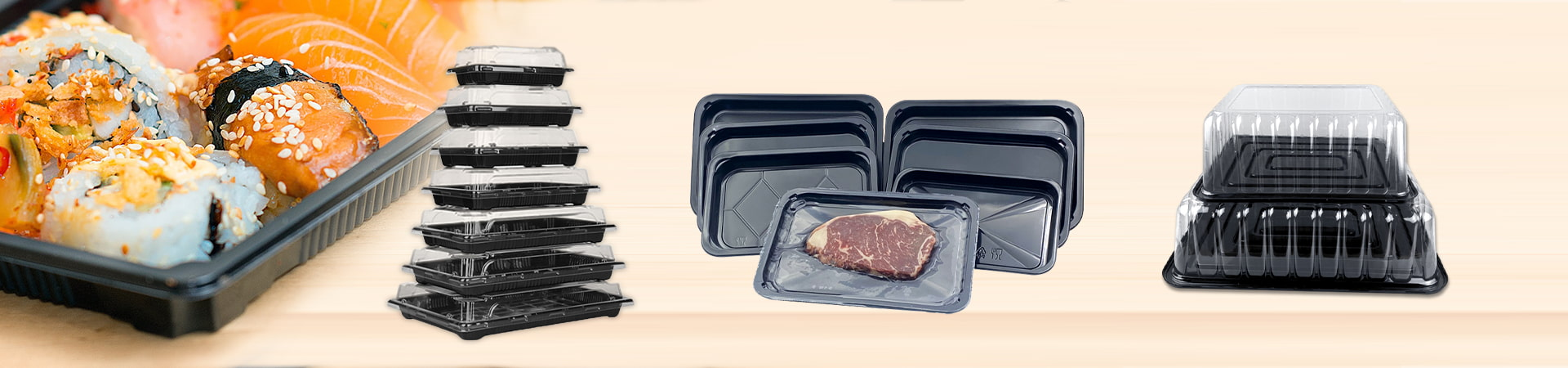
Leak-Proof Meal Trays for Takeaway: How to Stop Delivery Leaks Before They Cost You Reviews
Nothing undoes a good delivery review faster than a leak. The curry that arrived soaking through the bag, the dressing that coated everything else in the order, the soup that lost a third of its volume between the kitchen and the doorstep — customers do not blame the courier. They blame the restaurant, and they say so publicly.
Industry surveys consistently put leakage at the top of the list of delivery complaints, and platform review data suggests a large share of negative takeaway ratings trace back to packaging failure rather than food quality. For any business shipping saucy, soupy, or oily food, the tray is not a detail. This article looks at where leak-proof meal trays actually earn the name, which design details separate them from a generic box with a lid, and what to confirm before you order.
Where Takeaway Meals Actually Leak
Most leaks are not holes in the plastic. They are failures at predictable points:
Lid and base tolerance: If the lid fits loosely, every corner the scooter takes works it a little further open. A gap of a millimeter at the kitchen counter becomes a visible weep of sauce by the door.
Sealing rim design: A flat, narrow rim gives sauce a path out. A wide flange with a raised sealing channel closes that path and gives the lid something to lock against.
Heat softening: Hot, oily food is the hardest test. A thin, low-grade tray that flexes when filled with 90 °C curry distorts the rim, and a distorted rim cannot seal — even one that looked tight when it left the kitchen.
Stacking pressure and vibration: Delivery bags stack containers on top of each other, then vibrate for twenty minutes. A single small tab as the only lock eventually walks out of engagement. Multi-point locks and a deep lid skirt resist that slow working-open.
What Makes a Meal Tray Genuinely Leak-Proof
The difference is structural, and most of it is visible if you know where to look:
Multi-point lid locks with a deep skirt: The lid should grip the base around the full perimeter, not at two or four tabs. More engagement points mean vibration has nowhere to work.
A continuous sealing flange: The photo below shows the ribbed perimeter of a purpose-built tray: the raised channels on the rim interlock with the lid and leave sauce no continuous path out, while the same ribs stiffen the wall.
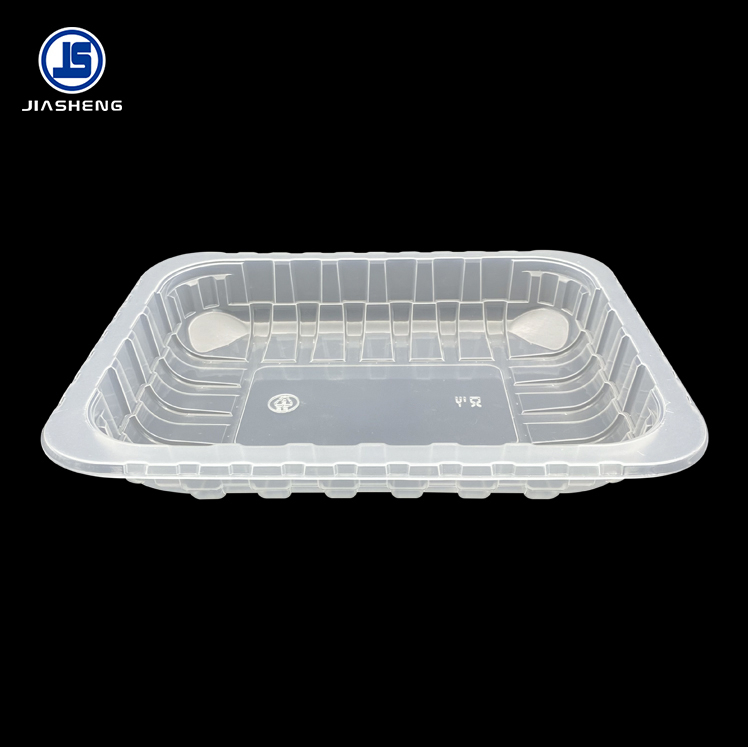
A load path that bypasses the food: Deep vertical ribs let stacked trays carry weight on their walls instead of on the lid, so the seal above the food stays unloaded and intact.
A material that keeps its shape hot: Leak-proof at 20 °C is easy. Leak-proof at 100 °C after ten minutes in a delivery bag is the real specification — which is a material question as much as a design one.
Compartments: Containing the Risk Before the Lid Is Even On
Leak control starts inside the tray. A well-proportioned compartment layout keeps the riskiest ingredient — liquid — in the smallest, deepest cell, away from the corners and the lid line. The two-compartment format below is the classic example: sauce or curry sits in its own deep well while the dry component travels separately, so even a small seal upset never turns into a mixed, ruined meal.
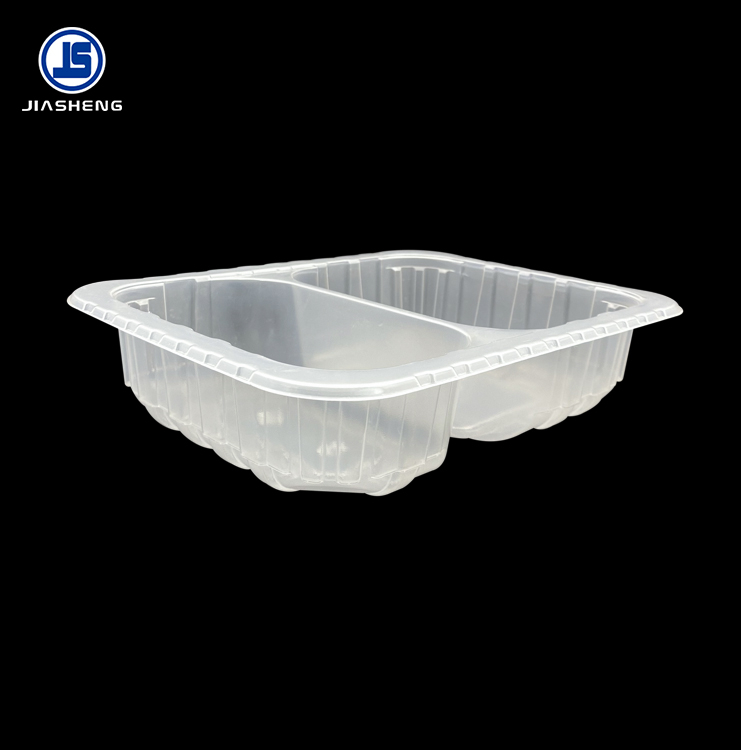
For set meals and ready meal trays, multi-cavity layouts do the same job at scale: five-compartment meal prep containers keep each component in its own cell, which protects both the presentation and the seal, because no single cavity fills to the rim.
Material Choice: Microwave-Safe PP Does the Heavy Lifting
For hot, wet, and reheated food, polypropylene remains the practical default. Food-grade PP handles freezer storage and microwave reheating in the same container, resists the oils that attack lesser plastics, and — critically for this article — keeps its stiffness at serving temperature, so the rim geometry that made the tray leak-proof survives contact with hot food. Microwave-safe rectangle PP takeaway trays are the benchmark format here: rigid walls, a stackable footprint, and a lid system designed for the same temperature range.
Clear and black PP serve different merchandising jobs — transparency sells contents on a shelf, black hides staining in delivery-only menus — but the sealing structure underneath should be identical.
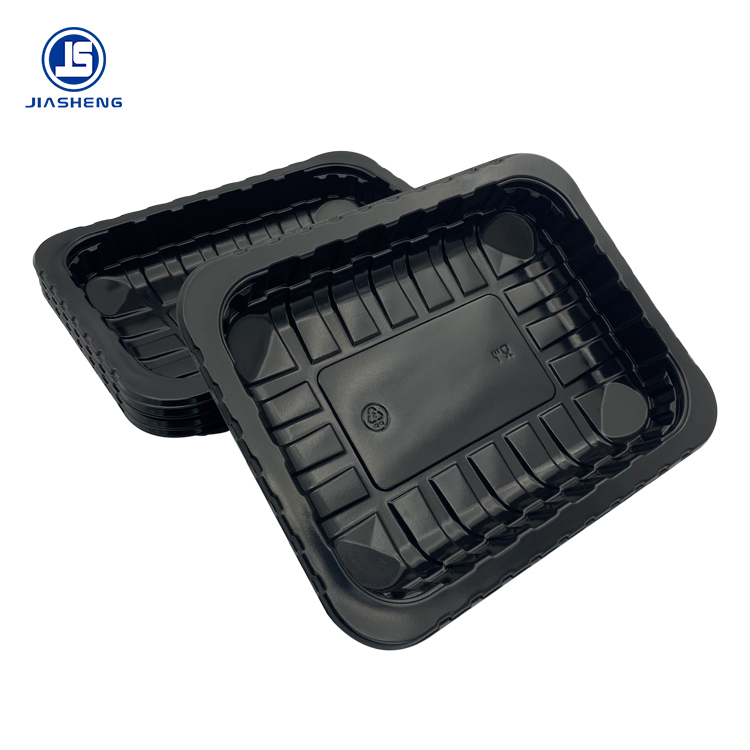
Whatever the color, confirm the material is food-grade with migration compliance for your market, and that the stated temperature range covers both your coldest storage and your hottest fill.
Pre-Order Checklist for Leak-Proof Meal Trays
Before committing to a volume order, work through six confirmations:
1. Test with your actual menu: Fill trays with your hottest, oiliest, most liquid dish — not water — and run them through a real delivery.
2. Count the lock points: Open and close the lid ten times and check how the perimeter engages. More contact points and a deeper skirt mean a longer service life in transit.
3. Check the fill line: Ask for the maximum safe fill volume per cavity, and set your portioning below it. Overfilling defeats any lid.
4. Verify the temperature story: Freezer-to-microwave in one container, with no warping at fill temperature.
5. Confirm stack performance: Load five filled trays and check the bottom lid still seals and the walls have not bowed.
6. Request samples before tooling: Established lines such as premium leakproof, microwave-safe meal trays for takeaway and ready meals can usually be sampled directly, so you can validate the seal on your own menu before any custom work. If your dish is unusual, development and testing services can validate the fit and the seal before you scale.
Four Questions to Ask a Meal Tray Supplier
1. What temperature range is the tray certified for, filled and unfilled? Rim distortion under heat is the top hidden cause of leaks; the answer should cover your full chain.
2. Has this lid system been transit-tested, and against which standard? A tray that survives a vibration and drop protocol has evidence behind the word “leak-proof.”
3. What is the recommended fill line for liquid dishes? A supplier who knows their tray will tell you where its limit is, not just that it has none.
4. Can cavity layout, depth, or lock positions be customized? If your signature dish needs its own geometry, the supplier should be able to adapt the format rather than force the food into a stock shape.
Frequently Asked Questions
Are leak-proof meal trays completely watertight? A well-designed tray with a multi-point locking lid will hold soups and sauces through normal delivery handling, including bag transport and stacking. For inverted transport or prolonged pressure on the lid, no hinged format should be trusted — keep liquids below the recommended fill line and pack trays upright.
Can the same tray go from freezer to microwave? Food-grade PP trays are designed for exactly that cycle: frozen storage, direct reheating, and serving from the same container, without warping at the rim — which is what keeps the seal intact through the whole life of the meal.
Do compartments really reduce leaks? Yes. Keeping liquid in a deep, dedicated cell keeps it away from the lid line and the corners where seals are weakest, and it limits how far any leak can travel even if one occurs.
Clear or black trays — which should I choose? Choose clear when customers see the pack before eating (retail shelves, chilled displays, photo-driven delivery menus). Choose black for delivery-only operations where staining between orders matters more than visibility. The sealing structure should be the same either way.
What is the typical minimum order for custom meal trays? Stock formats usually sample quickly with modest minimums. Custom cavity layouts or lock geometries involve tooling, so minimums are higher — which is exactly why validating a stock tray on your real menu first is the economical path.
The Bottom Line
Leak-proof is not a label on the box — it is a set of measurable features: multi-point lid locks, a continuous sealing flange, ribs that carry stacking load away from the food, and a material that holds its geometry hot. Test the tray with your realest dish, set your fill lines, and the delivery reviews will follow the food instead of the packaging.
Need Leak-Proof Meal Trays That Survive Real Deliveries?
Microwave-safe PP formats, compartment layouts, and custom cavity design — with samples before you commit.
Request Free Samples