
Your Cart
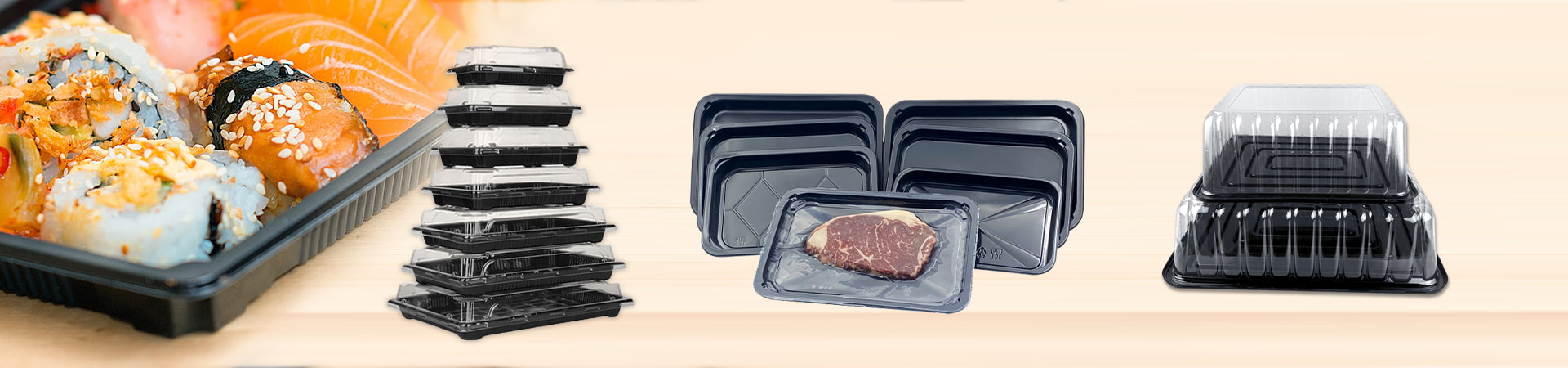
Innovations in Vacuum Packaging Tray Technology for Product Freshness
In the global food supply chain, extending the freshness and shelf life of perishable products is a constant and critical challenge. Vacuum packaging tray technology has long been a frontline solution, and ongoing innovations in materials, design, and functionality are pushing the boundaries of product preservation, offering significant advantages for producers, distributors, and retailers.
Advanced Material Science for Enhanced Barrier Properties
The core of freshness preservation lies in the tray material's ability to act as a barrier.
-
High-Barrier Polymers: Modern trays utilize multi-layer or coated polymers engineered to drastically reduce the transmission of oxygen and moisture. This heightened barrier slows oxidation and moisture loss, which are primary causes of spoilage and quality degradation in meats, cheeses, and prepared foods.
-
Selective Permeability: Innovations include materials designed for equilibrium-modified atmosphere packaging (EMAP). These smart films allow for a controlled exchange of gases, maintaining an optimal internal atmosphere that slows respiration in fresh produce, such as salads and fruits, preventing anaerobic conditions and decay.
Precision Engineering and Design Innovations
The functionality of a vacuum packaging tray is as important as its material.
-
Optimized Seal Integrity: Advancements in flange design and sealing surface technology ensure a flawless, leak-proof bond with the lidding film. This is critical for maintaining a consistent vacuum or gas flush, preventing package failure during handling and transport.
-
Drainage and Absorption Features: Integrated channels and pads within the tray design efficiently separate fluids from the product. Advanced absorbent pads can now lock in moisture more effectively, improving product presentation and hygiene, especially for fresh meat and seafood.
-
Structural Integrity for Logistics: Enhanced ribbing and corner designs provide greater rigidity under vacuum pressure and during stacking, protecting delicate contents and maximizing efficiency in cold chain logistics.
Integration with Smart and Sustainable Goals
The next wave of innovation connects preservation with broader industry trends.
-
Performance with Reduced Material: Through advanced resin formulations and structural design, manufacturers are creating trays that maintain or improve barrier properties while using less plastic, aligning with lightweighting and source reduction sustainability goals.
-
Compatibility with Automation: Innovations ensure trays reliably perform in high-speed automated filling, sealing, and packaging lines, featuring consistent dimensions and improved nesting/de-nesting properties to boost production efficiency for large-scale operations.
Conclusion
The evolution of vacuum packaging tray technology represents a sophisticated response to the demands of modern food preservation and distribution. By leveraging breakthroughs in barrier materials, precision engineering, and smart design, these advanced trays offer more than just containment—they provide an active, protective environment that significantly extends product freshness. For B2B clients in the food industry, adopting these innovations translates directly into reduced waste, expanded distribution reach, and the delivery of higher-quality products to the market.