
Your Cart
Applications and Advantages of Thereforming Plastic Packaging Across Industries
Thermoforming, a versatile and efficient manufacturing process, is a cornerstone of modern industrial and consumer packaging. Thermoforming plastic packaging, which includes blisters, clamshells, trays, and inserts, offers a unique combination of customization, protection, and economic efficiency. Its applications span numerous industries, each leveraging its specific advantages to meet distinct packaging challenges.
Wide-Ranging Industrial Applications
The adaptability of the thermoforming process allows it to serve sectors with highly specialized needs.
-
Electronics and Consumer Goods: This sector relies on thermoformed blisters and clamshells for secure transit and vivid point-of-sale presentation. Custom inserts and trays hold components firmly in place, preventing scratches and movement, which is critical for sensitive items.
-
Healthcare and Medical Devices: As previously detailed, this industry demands high precision. Thermoforming plastic packaging creates sterile barrier systems, procedure-specific trays for surgical kits, and protective packaging for delicate instruments, all compliant with rigorous regulatory standards.
-
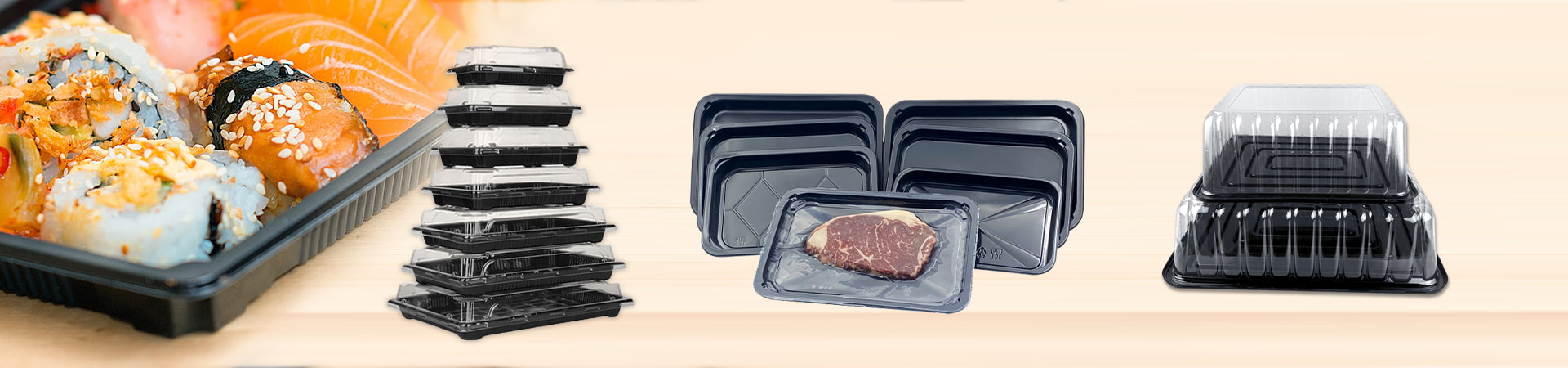
Food and Beverage: From vacuum-formed trays for fresh produce and meats to clear dessert domes and bakery containers, thermoforming provides excellent clarity, product visibility, and functional designs with features like leak-resistant flanges and snap-fit lids.
-
Industrial and Automotive: The process is used to create heavy-duty trays and inserts for organizing, protecting, and shipping small parts, tools, and components. These packages often prioritize durability and precise compartmentalization for supply chain efficiency.
Key Advantages of the Thermoforming Process
The widespread adoption of thermoforming is driven by several compelling benefits for B2B clients.
-
High Degree of Customization: Unlike many standard packaging options, thermoforming excels at creating fully customized solutions. Packaging can be perfectly contoured to the specific dimensions and shape of a product, minimizing material use and maximizing protection.
-
Cost-Effectiveness for Medium to High Volumes: The tooling (molds) for thermoforming is generally less expensive and faster to produce than those for injection molding, making it a highly economical choice for production runs of substantial size.
-
Superior Product Visibility and Presentation: The use of clear plastics offers unobstructed product visibility, which is vital for retail sales. The packaging acts as a display case, enhancing shelf appeal while providing security.
-
Lightweight and Efficient Protection: Thermoformed packages are inherently lightweight, reducing shipping costs. Despite their light weight, the engineered design provides excellent structural rigidity and impact resistance, safeguarding products throughout the distribution chain.
-
Material and Design Flexibility: The process works with a wide array of plastic sheet materials, including PET, PVC, PS, and APET, allowing selection based on required clarity, strength, barrier properties, or sustainability goals.
Conclusion
Thermoforming plastic packaging is a dynamic and indispensable solution for modern manufacturing and retail. Its ability to bridge the gap between highly customized, product-specific design and cost-effective, protective functionality makes it a preferred choice across electronics, healthcare, food, and industrial sectors. For businesses seeking packaging that enhances product integrity, optimizes logistics, and strengthens brand presentation, the thermoforming process offers a uniquely adaptable and efficient pathway to achieving these critical commercial objectives.